Smith Fellows Spring Retreat 2026, Colorado
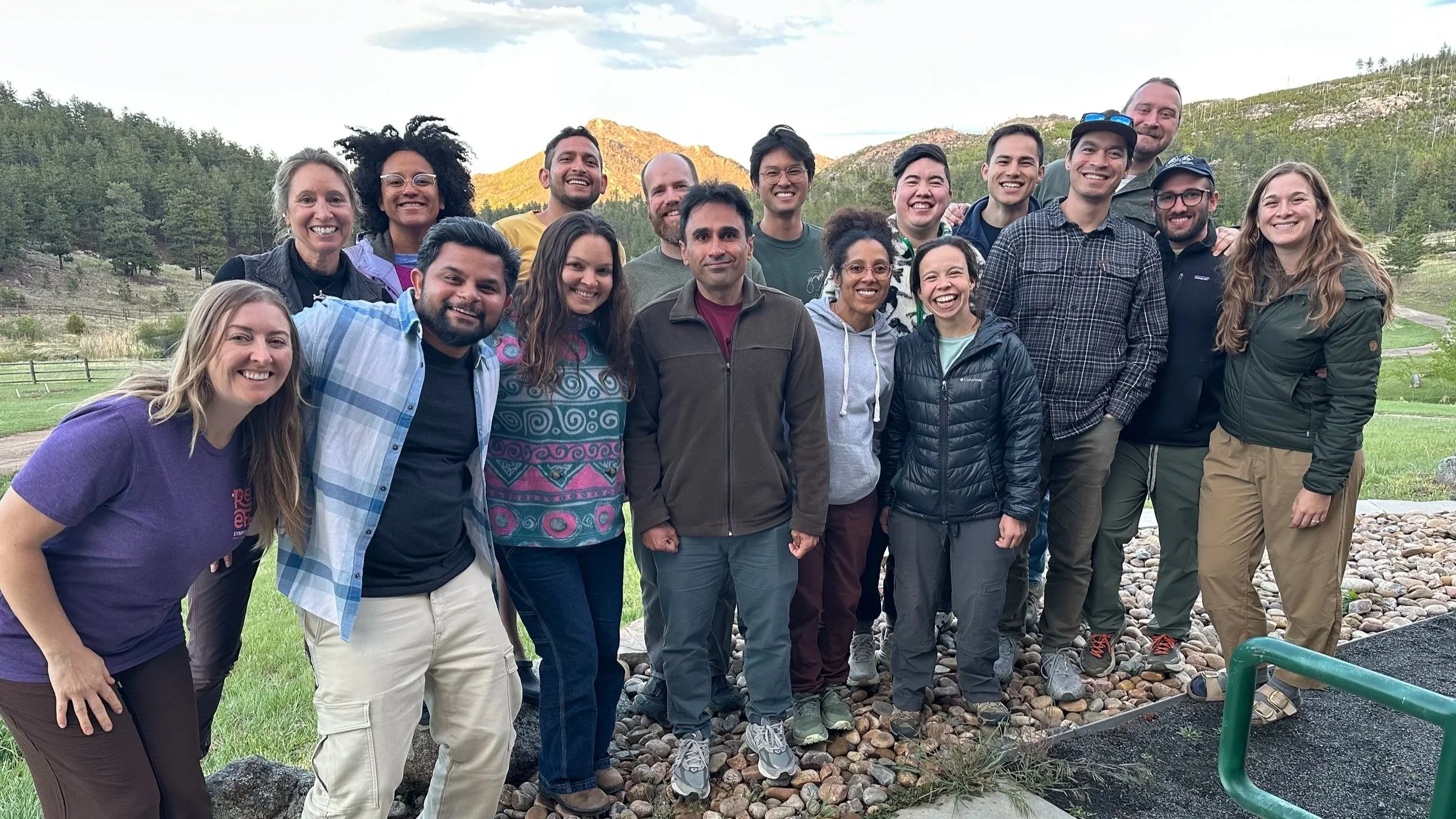
In May, current Fellows and staff gathered in northern Colorado for a week of professional development and peer learning. Bringing together Fellows from 2024, 2025, and 2026 cohorts, the retreat also emphasized cross-cohort relationship building, onboarding of the incoming Fellows, and a celebration of the outgoing Fellows.
Throughout the week, the group explored how to communicate their research more effectively, engage with stakeholders and communities, and prepare for connecting their research to conservation decision-making. They also learned from regional conservation practitioners working at local and global scales, and spent time on group projects to further support peer learning and collaboration.
Media Engagement Training with COMPASS
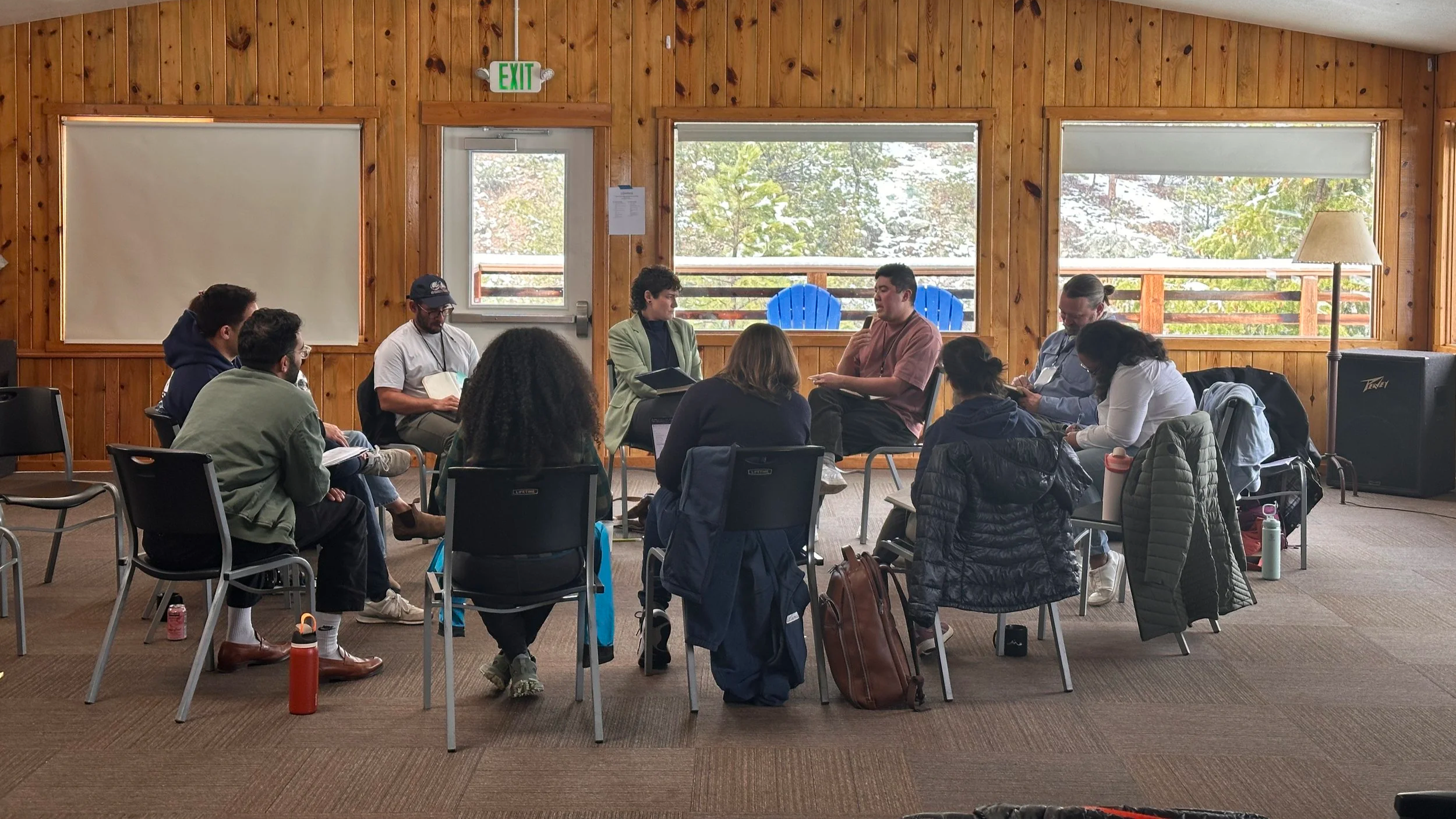
A major focus of the retreat was science communication and media engagement training. Fellows participated in a two-day workshop led by COMPASS, a nonprofit organization that helps scientists communicate more effectively to amplify their impact.
The training built on COMPASS's Message Box framework, which helps participants distill complex ideas into clear, audience-centered messages. During the workshop, Fellows practiced communicating their work to non-specialist audiences, refined key messages, and participated in mock interviews and real-world media engagement scenarios.
The workshop featured a panel of science journalism professionals, including environmental journalist Hillary Rosner, science journalist and former host of NPR's Short Wave Mads Sofia, and Colorado Public Radio climate and environment reporter Ishan Thakore. Fellows gained insight into how scientists can become more effective partners in public communication.
Resources
Integrating Human Dimensions into Conservation Research
Conservation challenges are fundamentally about both people and ecosystems. To help Fellows strengthen the human dimensions of their work, the Program engaged Supin
Wongbusarakum to support human dimensions integration across the current and incoming cohorts. This initiative focuses on helping Fellows more effectively engage stakeholders, identify pathways from research to policy and practice, and apply equity-centered approaches in their work.
Through individual consultations and a group-wide retreat session, Fellows examined how their projects connect to communities, decision-makers, and other stakeholders. Discussions explored pathways for translating research into policy and practice, approaches to equitable engagement, and opportunities to incorporate social science methods into conservation research.
The session also introduced practical social science tools and methods, helping Fellows consider when and how these approaches can strengthen conservation outcomes. This work is part of an ongoing Human Dimensions Integration Initiative that will continue throughout the year with mentoring and additional training opportunities.
Resources
· Strengthening the Social Impacts of Sustainable Landscapes Programs
Engaging with Local Conservation Initiatives
The retreat also connected Fellows with conservation efforts taking place across Colorado. At the Fort Collins Museum of Discovery, Fellows learned about recovery efforts for the endangered black-footed ferret from Kimberley Fraser of the U.S. Fish and Wildlife Service. The session highlighted the long-term partnerships, science, and public engagement required to support species recovery.
Later in the week, the group visited the Salyer and McMurry Natural Areas with Zoe Shark of the City of Fort Collins, who shared lessons from urban conservation, public land stewardship, and community engagement. At Colorado State University, Fellows attended a presentation from Ellie Linden of the Colorado Natural Heritage Program on biodiversity indicators and the role of monitoring systems in implementing the Global Biodiversity Framework and informing conservation policy.
The retreat also featured discussions with Smith Fellow alumnus Ed Gallo-Cajiao, whose work bridges conservation science, policy, and human dimensions research.
Supporting Conservation Leaders
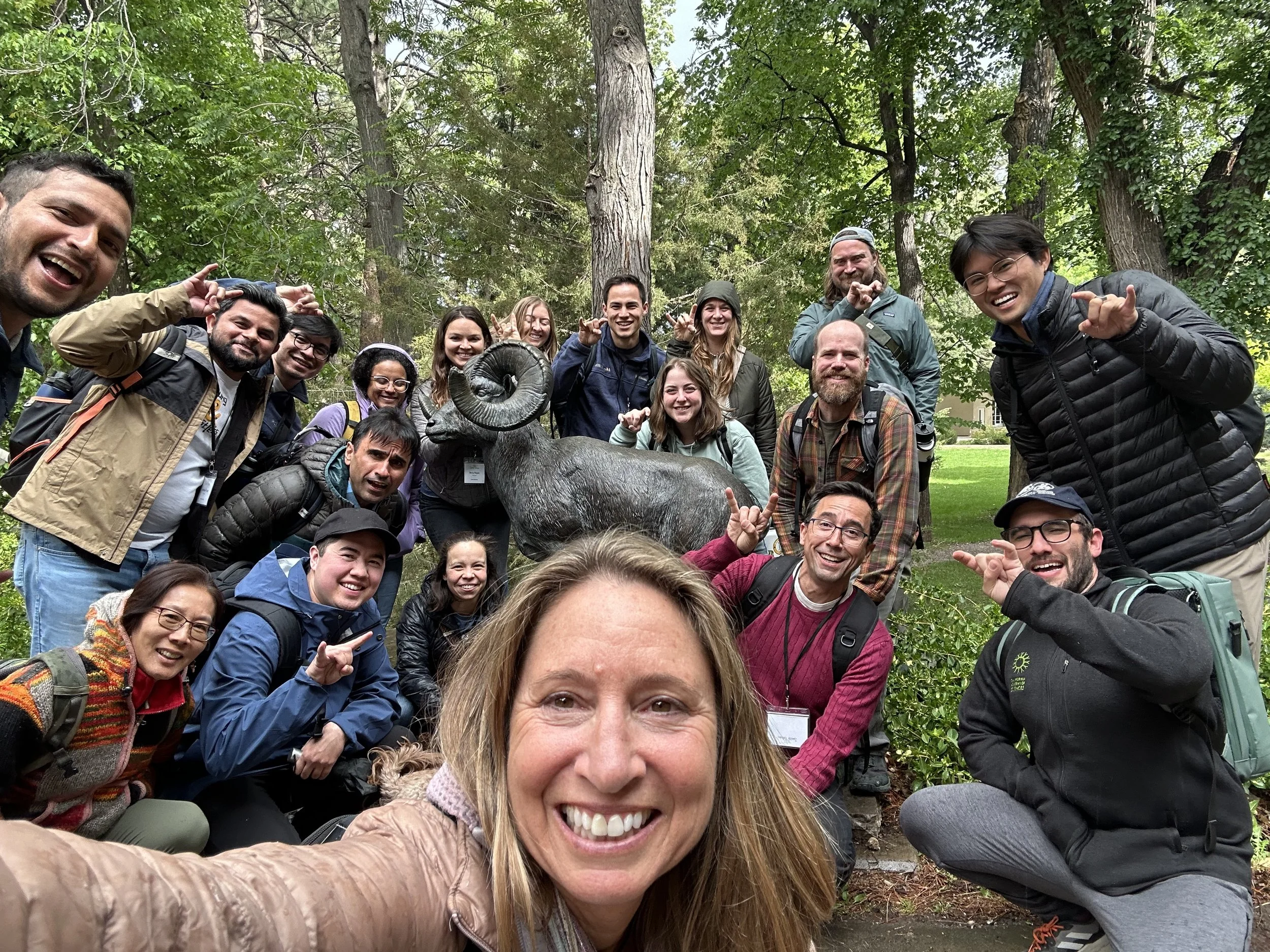
While the workshops and site visits provided valuable professional development, the retreat also held ample intentional space for one of the Fellowship's core components: community. Throughout the week, Fellows connected over shared meals, hikes, and informal conversations, building relationships across cohorts and disciplines. A dedicated group project session gave Fellows time to collaborate on shared interests, exchange ideas, and support one another’s work. An evening gathering with local alumni and friends of the Program expanded connections, creating opportunities for networking, and cultivating the lasting relationships that are at the heart of the Fellowship experience. The retreat concluded with a graduation celebration honoring the outgoing cohort and recognizing their contributions to the Smith Fellows community.
These relational experiences are a core part of the Fellowship. They foster the trust, collaboration, and sense of belonging that enable Fellows to learn from one another and sustain connections long after their formal Fellowship ends. As conservation challenges become increasingly complex, we believe that investing in community alongside scientific rigor is essential. We are grateful to the trainers, alumni, and partners who helped make this retreat a meaningful learning experience for the Smith Fellows community.