


Developing future world leaders and entrepreneurs linking conservation science and practice


About the Program
The David H. Smith Conservation Research Fellowship Program seeks to develop future world leaders and entrepreneurs who are successful at linking conservation science and application. Smith Fellowships provide two years of postdoctoral support to outstanding early-career conservation scientists.
This Fellowship is designed to enable early-career scientists to improve and expand their research skills, to direct their research efforts toward problems of pressing conservation concern, and to avail themselves of unique research opportunities by working closely with conservation practitioners. The Fellow is expected to design, initiate, and conduct an original applied research project developed in collaboration with both an academic mentor and a conservation practitioner mentor.
Fellows' research projects focus on pressing conservation issues for the United States and it’s 5 permanently inhabited territories. But more than that, working in collaboration with on-the-ground practitioners allows each Fellow to learn first hand about the culture, challenges, and rewards of conservation applications. The Program actively seeks to enlarge the Fellows' professional opportunities and future success by helping to build their networks of relationships in the conservation and research communities and by providing opportunities for professional development through targeted workshops and training events.
Fellowship Benefits
Two year annual salary of $74,263 in 2027 and $76,490 in 2028, and research and travel funds totaling $45,000.
Participation in 7 professional development retreats with targeted workshops and training opportunities.
Lifetime membership in the Society for Conservation Biology including subscriptions to Conservation Biology and Conservation Letters.
Program Features
The Smith Fellowship is a unique postdoctoral fellowship opportunity that supports Fellows in their own research while providing access to professional networks, professional development, and a cohort model that offers opportunities for collaboration and enduring relationships. Smith Fellows research projects bridge the gap between science and practice – developing and trying out ideas to solve challenging ‘on the ground’ or ‘in the water’ problems using innovative approaches. We encourage human dimension science and inclusion of human dimension components in applied science projects. We expect that Smith Fellows and their future research will be literally transformed by their postdoctoral experience in the pragmatic fast-paced world of on-the-ground conservation.
-
Smith Fellows design and implement their own work with a team of mentors. The Program requires and ensures that Fellows retain autonomy over their research design, choice of administrative host, and research funds. Each Fellow is provided funds for research and travel, and those funds can be spent in a way determined by the Fellow to best meet their specific project needs.
-
The Smith Fellows program provides Fellows with unique opportunities for professional development, including training workshops, peer and program support, mentoring, and networking opportunities. There are three structured professional development retreats per year, generally in Fall, Winter and Spring, and some online opportunities. These retreats and workshops are a core component of the Fellowship experience, and Fellows are expected to attend as a condition of their award. Retreat costs are fully covered by the program (Fellows will not be asked to use their research & travel funding for retreats). Retreat content and themes are largely shaped by the Fellows themselves, and evolve over time. Once per cohort there is a policy retreat, generally in Washington DC where the focus is on government funding mechanisms, how policy intersects with science, and how federal agencies and NGOs implement conservation science. Other professional development has included communication and storytelling, ARCGIS storymapping, art/science intersection, budgeting and grant writing, career paths, negotiating job offers, community engagement, leadership development, and workshop facilitation. View our News & Updates section for recent retreat summaries!
-
The mentoring team is a critical component of the Smith Fellows Program, and a feature that distinguishes it from many other sources of postdoctoral funding. Each applicant proposes a team of at least two mentors to work closely with them during their Fellowship including: providing an ‘institutional home’ for the Fellow, helping with research design, connecting the Fellow and their research to practical applications, supporting the Fellow’s professional development as a conservation scientist, and helping to build research skills, collaborations, and networks.
At least one of the mentors should have a primary focus on conservation practice and will help connect the Fellow’s research to practical applications and provide insight into the management and policy implications of the work. Members of the team also help the Fellow understand better the institutional languages and cultures of their respective organizations. Mentors are expected to be an active part of the proposed research plan and to meet with Fellows regularly to help shape and guide the work.
Goals for the Fellow-Mentor Team:
Primary role is to help the Fellow be highly successful.
Bring together academic and practical/applied aspects of Fellow’s research.
Reinforce the dynamic mix of research and application.
Help navigate administration of the Fellowship at the host institution.
Academic and Practioner Mentor(s) should:
Complete a mutually agreed upon mentorship plan that includes frequency of meetings and expectations for conduct.
Attend the initial orientation session.
Ensure the scholarly integrity of the research.
Participate with the Fellow in framing specific research question(s) and methods.
Semi-annually review the Fellow’s research progress.
Review the Fellow’s progress and final reports. Supervise Fellow’s preparation of final reports and papers.
Insure practical/applied nature of the Fellow’s project.
Help the Fellow think through and establish how their research project will produce practical results and/orinfluence and inform policy.
Facilitate establishment of a strong working relationship between the Fellow and associate/partnerorganizations.
Assist the Fellow in obtaining resources, equipment, office/laboratory space and resources from associate/partner organizations.
-
Fellows are a part of a large and enduring community of current and alumni Fellows, as well as the larger network of the Program, and its many supporters. The Smith Fellows program supports mechanisms to keep that community connected including a listserve, a newsletter, online Fellow-led webinars, opportunities to serve on the Smith Fellows Advisory Board, regional gatherings, retreats, and reunions. Fellows also receive a lifetime membership with the Society for Conservation Biology, providing opportunities to serve in leadership roles, as well as access to the large network curated by the Society.
-
The Fellowship is structured as a cohort, encouraging Fellows to work together and support each other throughout the program and beyond. They attend professional development retreats together, have opportunities to collaborate professionally, and are supported to participate in group projects and projects directed at broadening participation in conservation science. At various points throughout a Fellow’s two year postdoc, they will overlap with four other cohorts (two preceding and two following), providing them with an opportunity to form relationships with 20 other Fellows in the network.
-
Smith Fellows have access to supplemental funding opportunities that support collaboration, broaden participation in conservation, strengthen connections across the Smith community, and help Fellows pursue opportunities beyond their individual research projects.
These opportunities are available to both current Fellows and alumni, reflecting the program’s commitment to supporting Fellows and their impact throughout their careers.
Major Themes of the Program
This post-doctoral fellowship program identifies and supports early-career scientists who will shape the field of applied conservation biology. Projects span ecological, social, and interdisciplinary approaches to conservation, including human dimensions research, environmental justice, governance, policy, and community-based conservation. David H. Smith Conservation Research Fellowships are available to post-doctoral researchers (of any nationality) affiliated with a United States institution, proposing research that addresses pressing conservation issues for the United States and its territories.
The focus of Smith Fellows’ research and activities are characterized by:
-

Innovation
Our program selects fellows who propose and conduct innovative and impactful applied research that advances conservation practice. Fellows are encouraged to think critically and creatively about the future of conservation science.
-
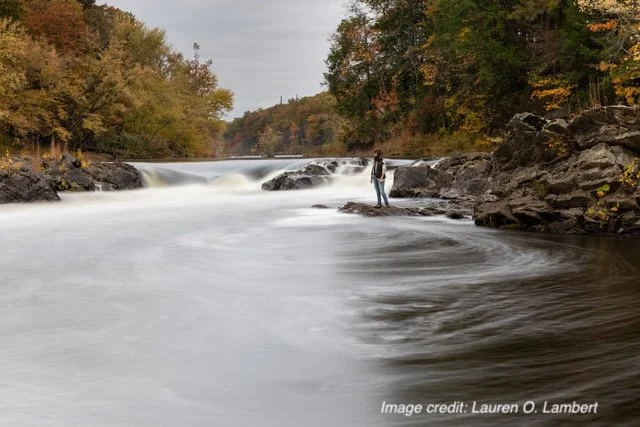
Leadership
Our program seeks to develop leaders in conservation science and expand Fellows' professional opportunities and success by helping build their networks of relationships in the conservation and research communities. We provide opportunities for professional development through targeted workshops and training events.
-

Action
Fellows’ research is directed at “actioning” conservation for tangible and enduring change. Their research addresses pressing conservation challenges and they work closely with communities, policymakers, and conservation practitioners to implement their ideas.
The Program is funded by the Cedar Tree Foundation, founded by Dr. David H. Smith, and administered by the Society For Conservation Biology.
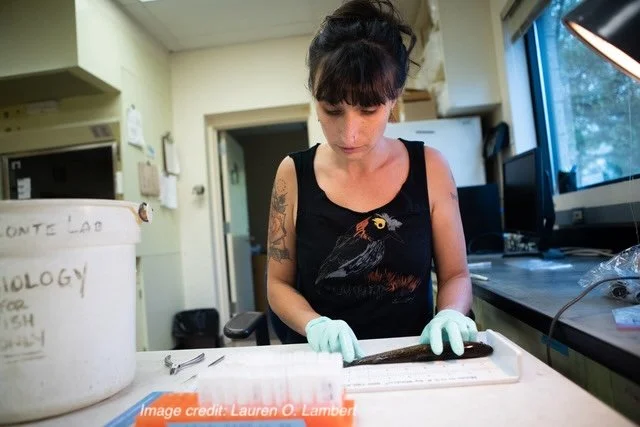

“As a Smith Fellow, I learned what it felt like to be valued as a conservation research scientist - not just for the work I produced. I was supported to grow my professional career and simultaneously achieve my goals as a mother and artist. This approach to inclusivity is unique to the Smith Fellows program and essential to the future of conservation. Fostering broad perspectives and creativity in a safe space for risk-taking are key to the development of new ideas and solutions to increasingly complex conservation problems.
”
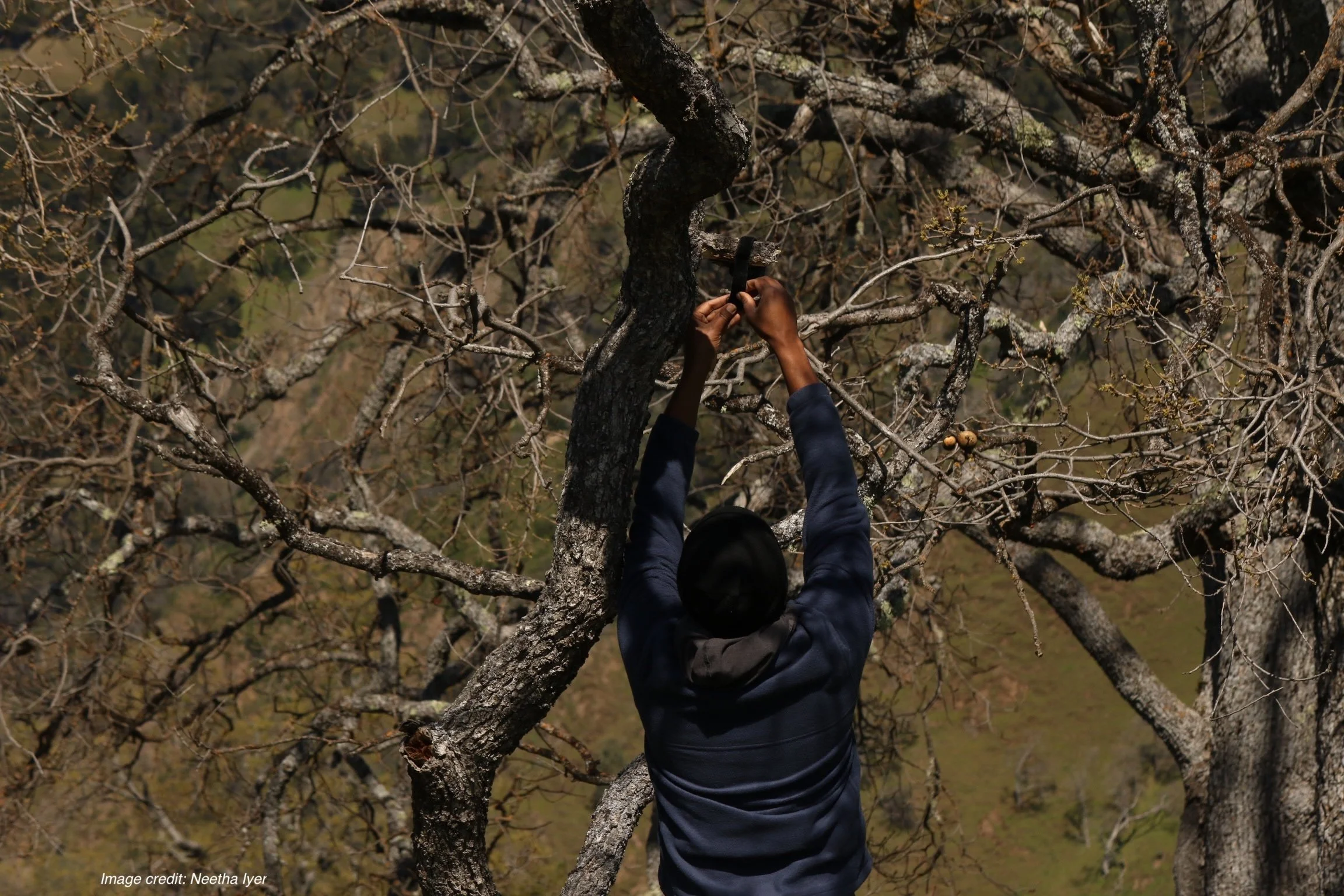
Explore a few past projects:

Meet the Current Fellows


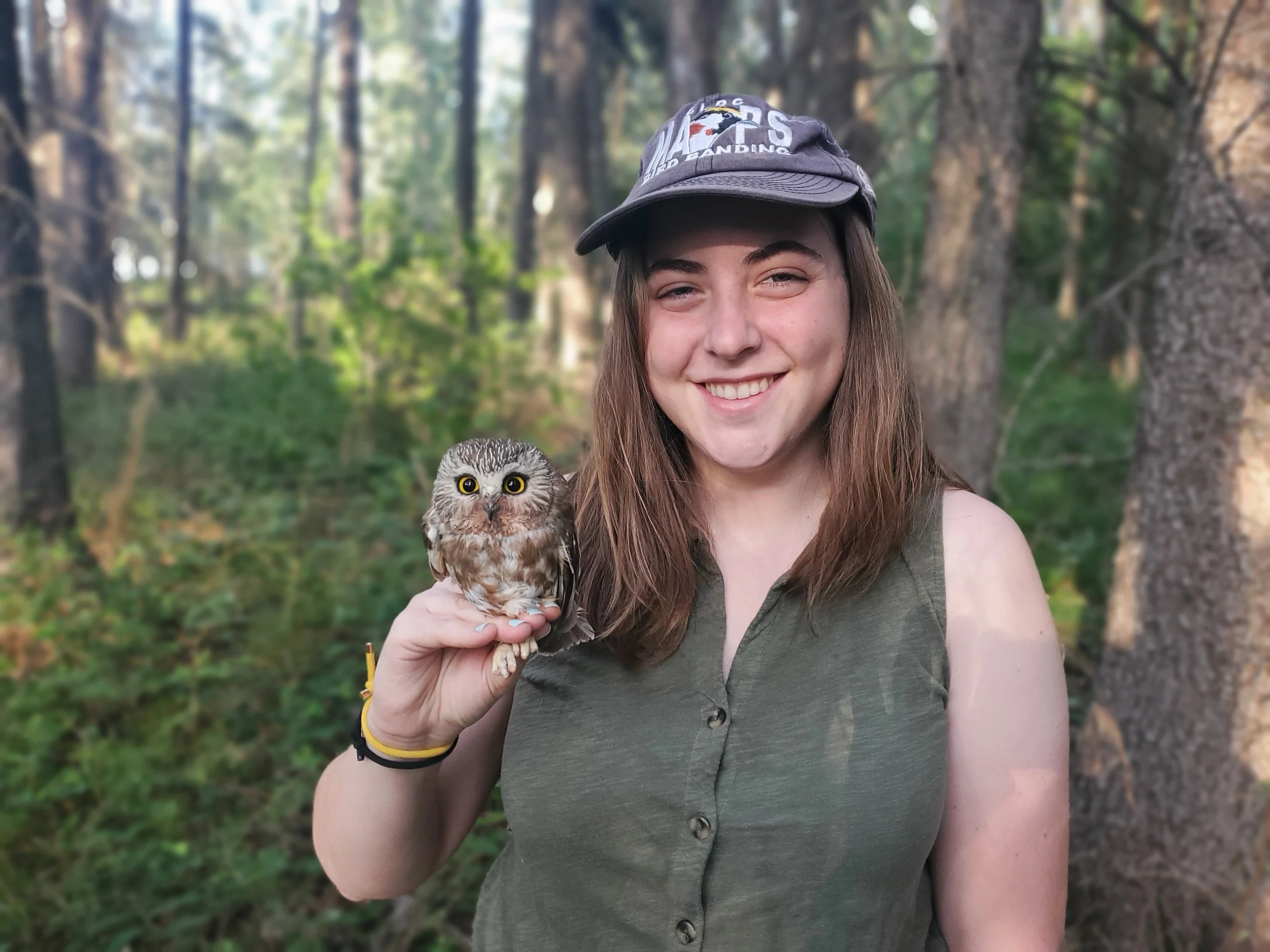





Why Smith Fellows?
We are changing how conservation science is done by supporting scientists and leaders poised to make change.
We help train and inspire the next generation of conservation leaders by supporting them as people above and beyond their research.