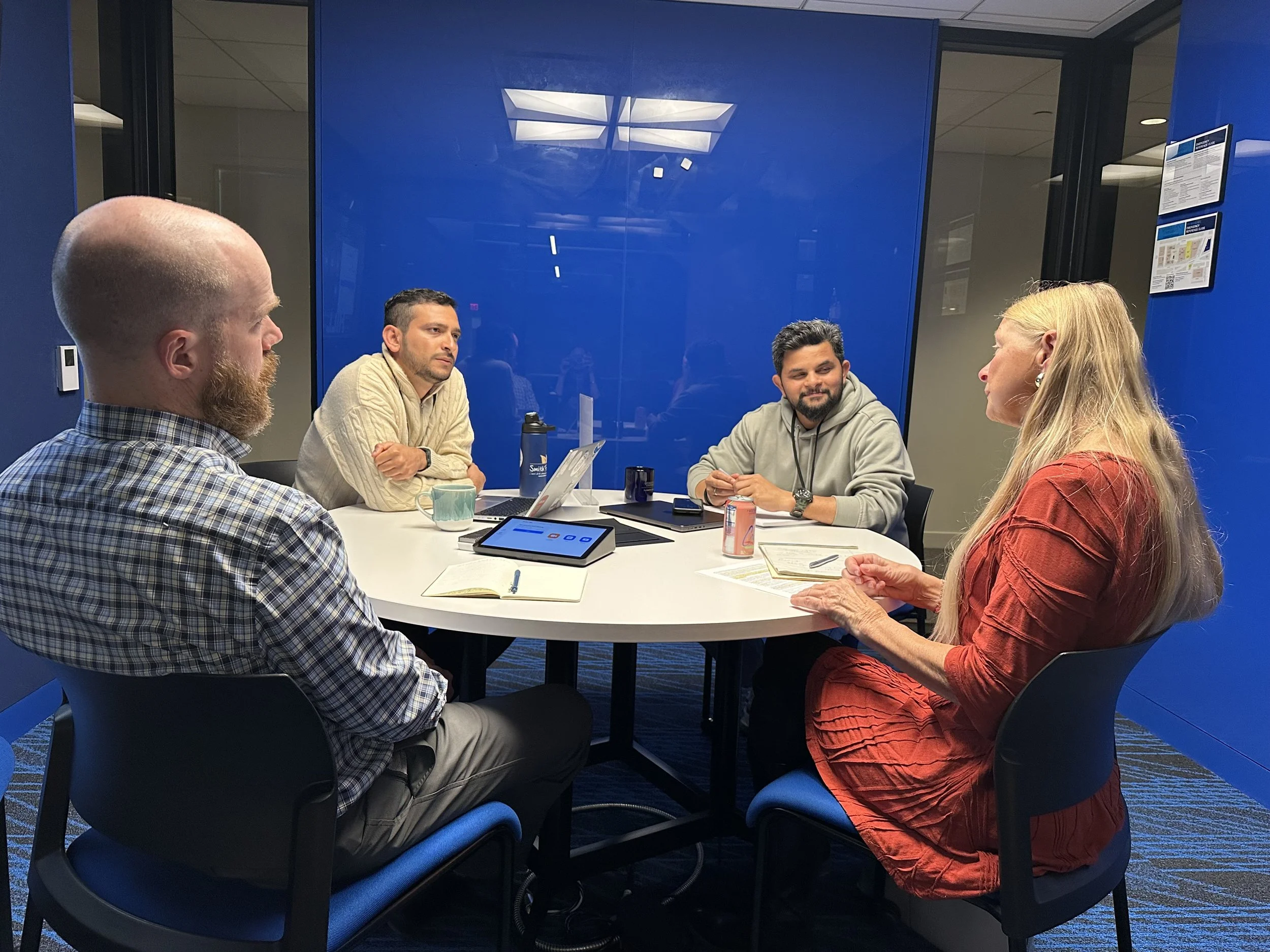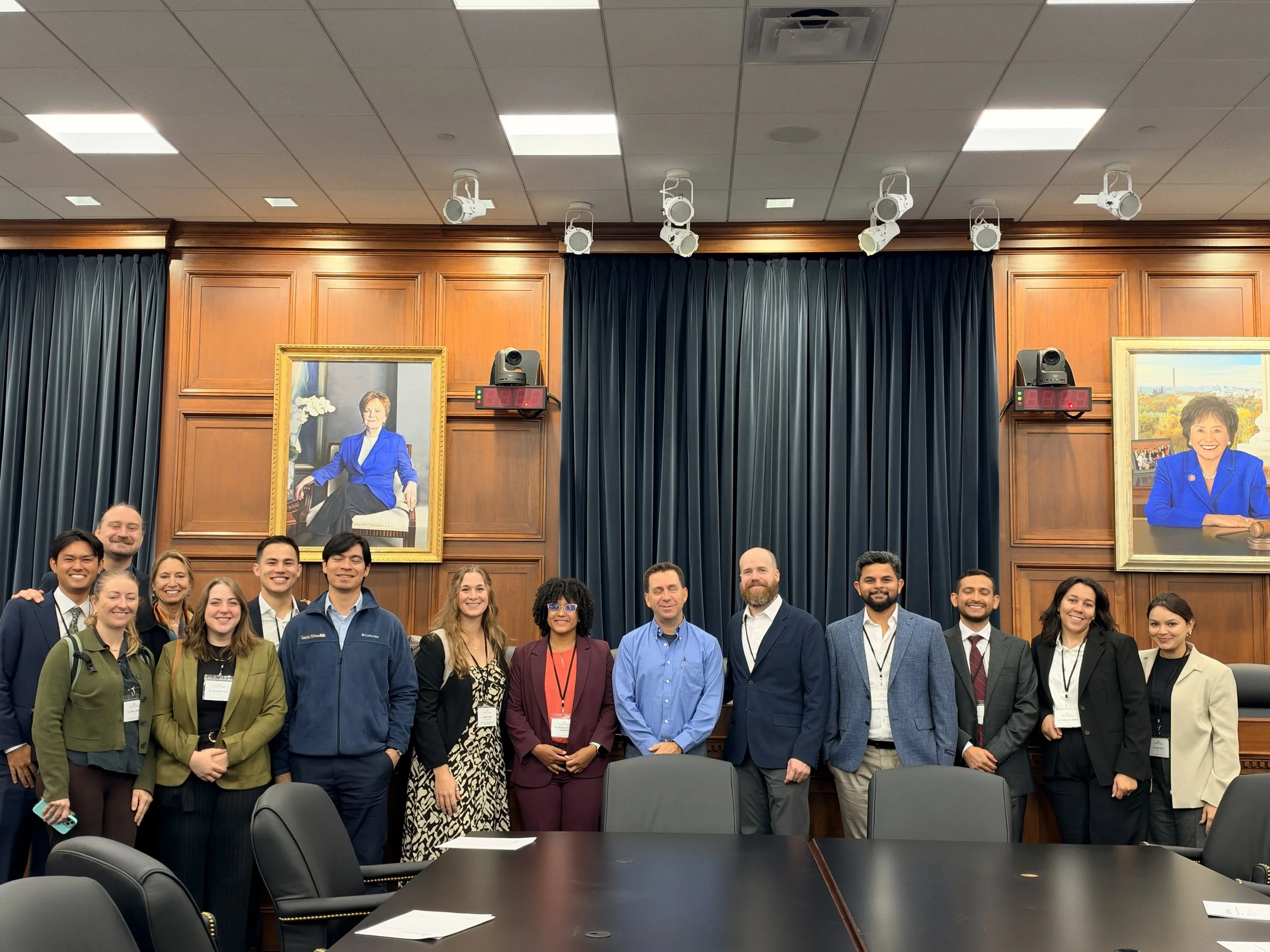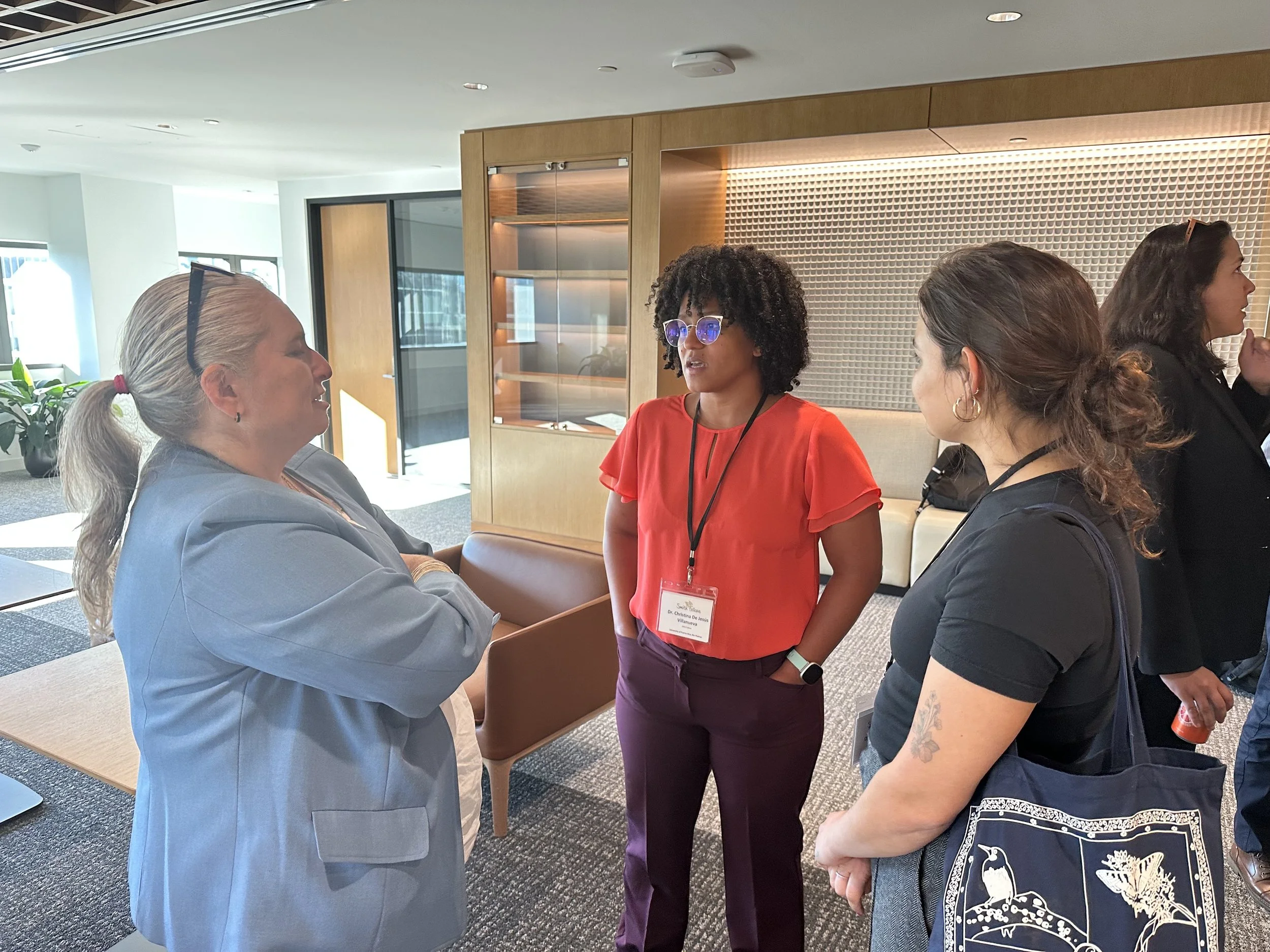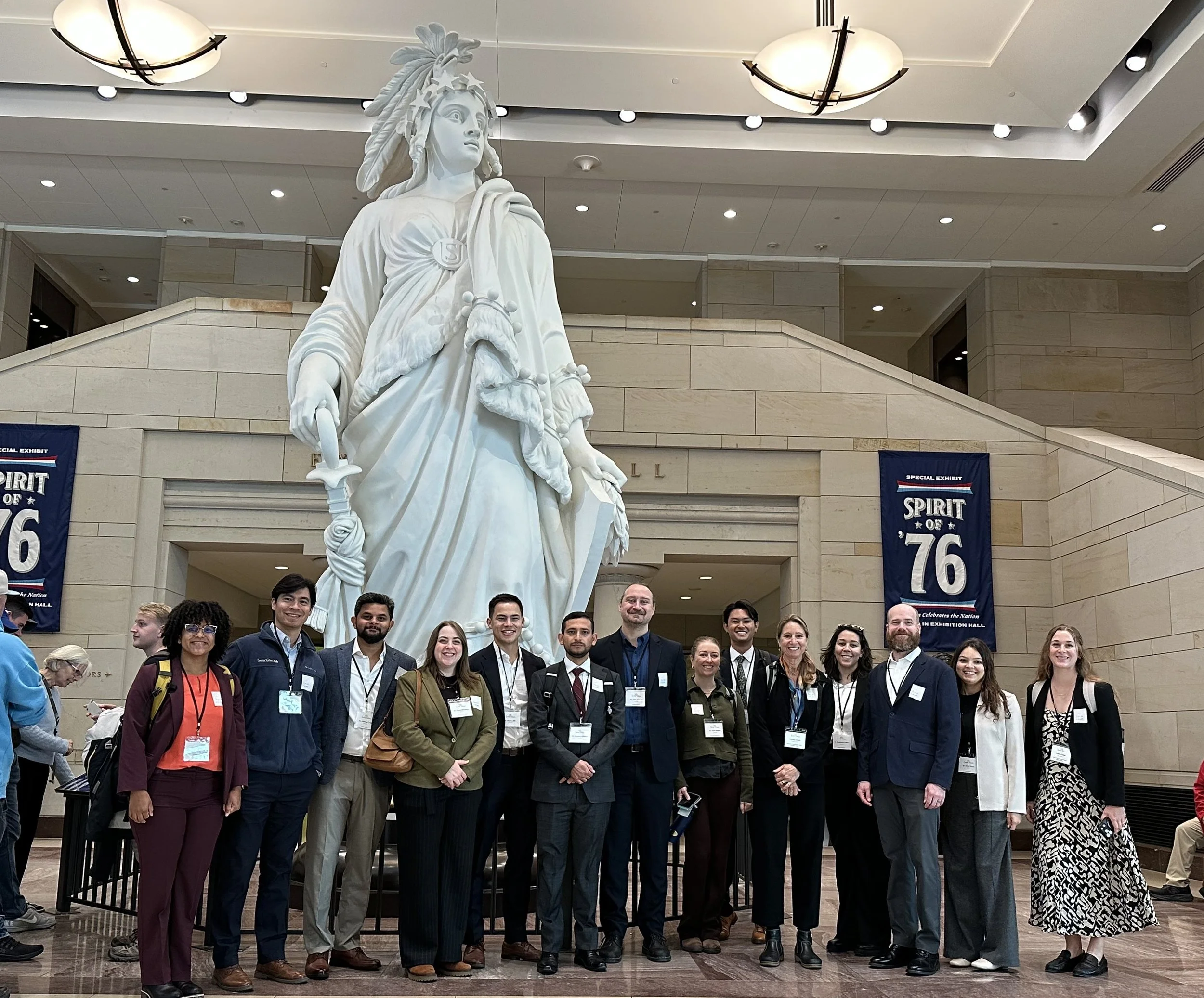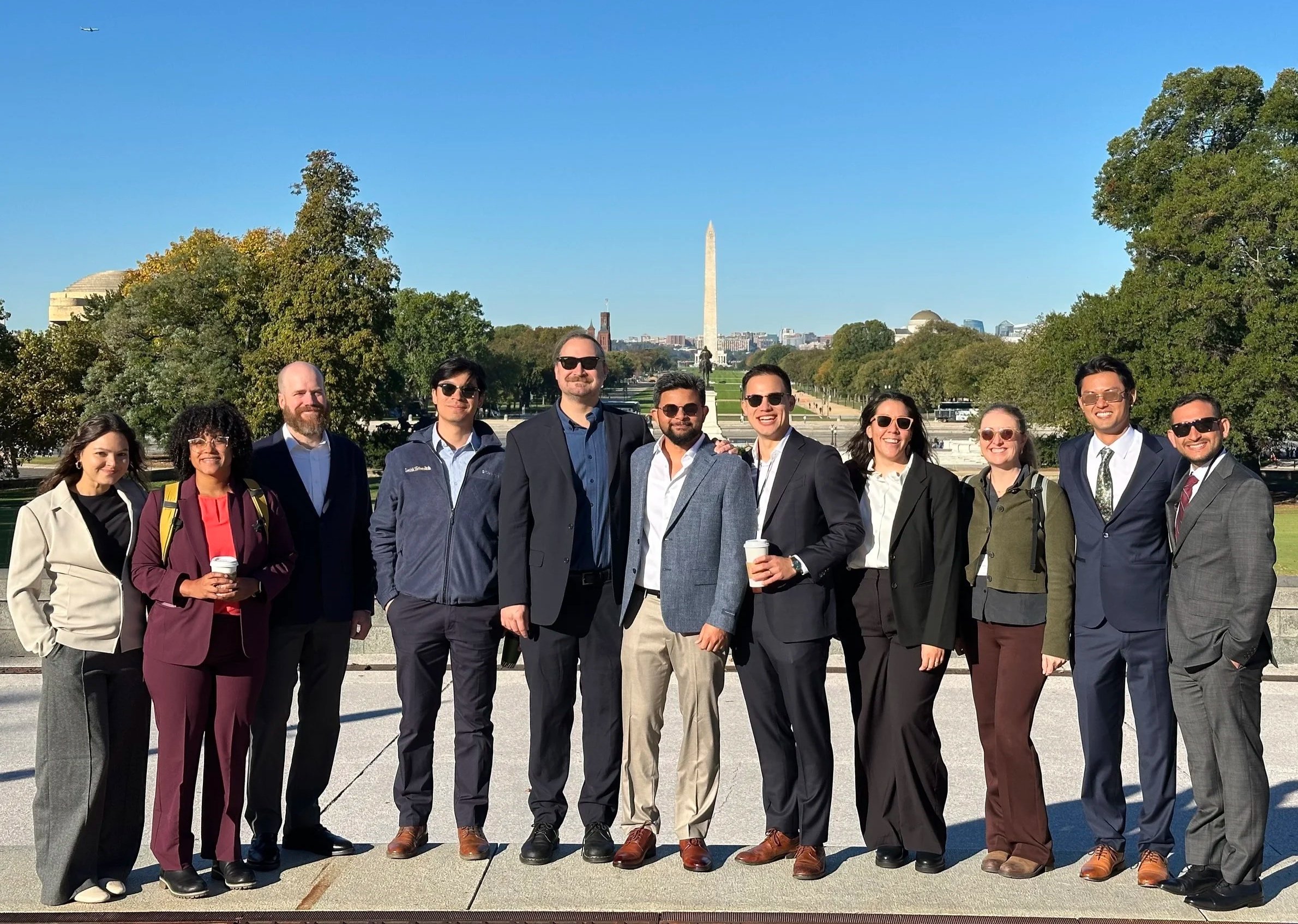
2025 and 2026 Fellows gathered in Washington, DC this fall for a week focused on connecting conservation science with policy, and professional opportunities. In a city where scientific research, environmental policy, and conservation practice intersect every day, Fellows had the opportunity to engage directly with policymakers, conservation professionals, federal science leaders, and members of the broader Smith Fellows community—including alumni and SCB staff based in the DC area.
A central focus of the retreat was helping Fellows build the skills and confidence to bring their scientific expertise into conversations beyond academia. A COMPASS policy engagement workshop prepared Fellows for meetings with policymakers through expert perspectives, discussion of the current policy landscape, and practice with realistic scenarios. Fellows then put those skills into action through one-on-one meetings with policymakers and other DC-based decision-makers. These conversations gave Fellows firsthand experience communicating their research to policy audiences and learning how science can contribute to decision-making.
Learning from leaders across science, policy, and conservation
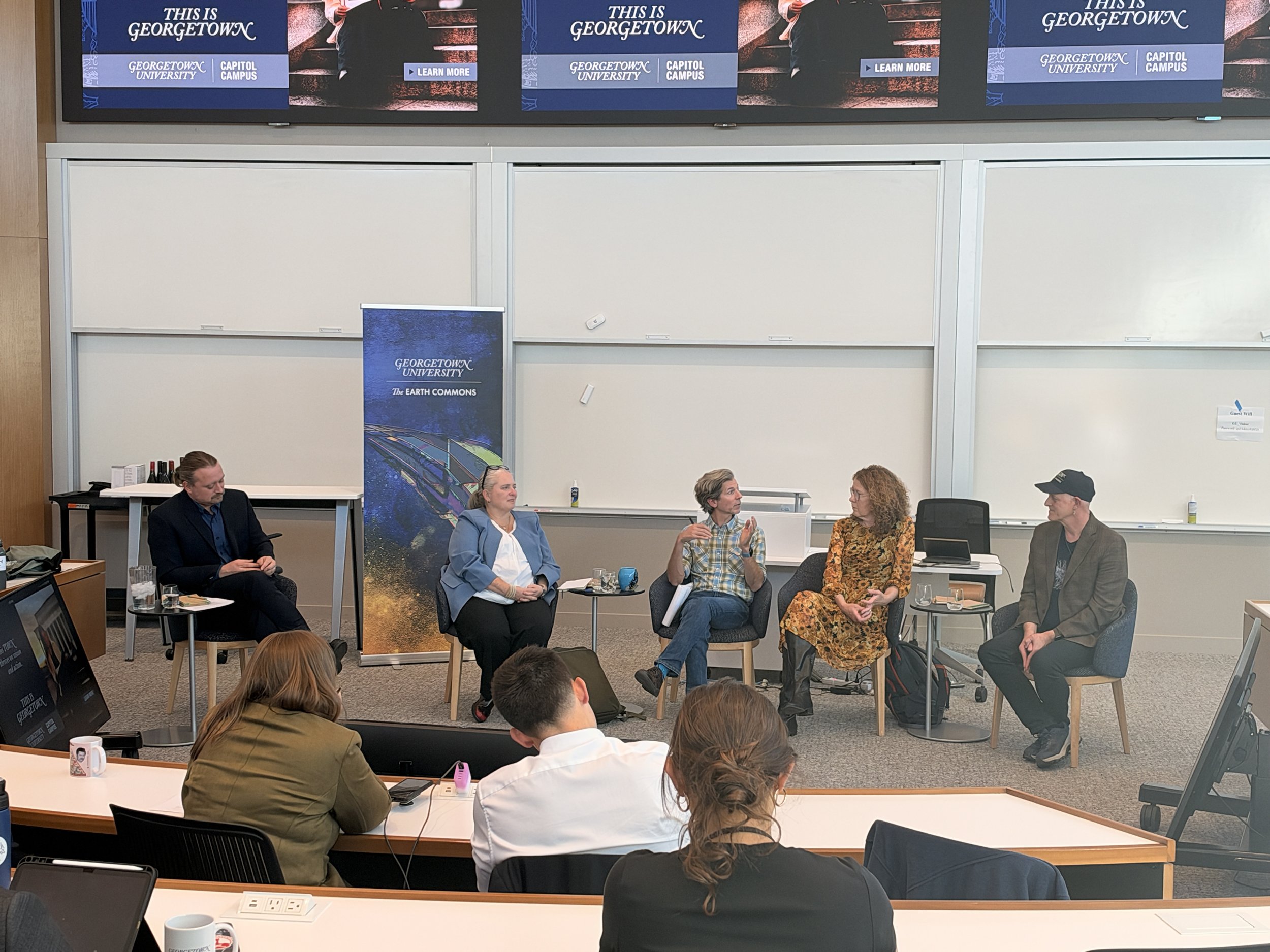
The retreat brought together professionals working across the environmental field for conversations about both the current moment and longer-term career pathways. An interactive panel on Federal Science and the Environment: Where We Are & Where We Are Going brought together participants with experience in federal science, management, and policymaking. Panelists reflected on which policies, frameworks, and institutions have proven durable or vulnerable amid major changes to the federal environmental landscape, and discussed how early-career scientists can help defend, rebuild, and reimagine pathways forward for the environment.
An NGO panel and interactive session connected Fellows with conservation professionals working across science and research, policy and lobbying, outreach and education, and funding and philanthropy. Rather than a traditional panel, the session moved into small-group conversations, allowing Fellows to ask candid questions about career pathways and explore how scientists can contribute to conservation organizations as staff, collaborators, partners, and researchers.
Communicating science in new ways
The retreat also invested in communication skills that Fellows can carry into many different professional settings. During a Visual Communication & Illustrations workshop, Chris Bickel, Graphics Managing Editor for Science Visuals at Science/AAAS, introduced Fellows to creative approaches for representing research beyond standard charts and graphs. Fellows explored ways to communicate non-numerical results and create figures and visuals that make scientific ideas more accessible and engaging.
These skills build on a broader principle at the heart of the Smith Fellows program: scientists need more than strong research skills to make an impact. They also need to be able to communicate clearly with people who have different expertise, priorities, and perspectives.
Resources to keep learning
The tools and approaches introduced during the retreat are not limited to those who were in Washington, DC. We’ve gathered a few publicly available resources below for anyone interested in strengthening their science communication and policy engagement skills.
For communicating science and engaging policymakers:
COMPASS Tools & Resources: A collection of free resources, including the Message Box, a tool for distilling complex research into clear, compelling messages.
COMPASS Course Catalog: For those looking to go deeper, COMPASS offers workshops on strategic communication, policy engagement, presentations, storytelling, and more.
For visual and public science communication:
AAAS Learning Hub: AAAS offers online professional development courses for STEMM professionals, including public engagement and presentation skills.
AAAS Public Engagement with Science resources: Past AAAS programming includes resources and workshops on creating research storygraphics and developing effective scientific illustrations and graphs.
The DC retreat was ultimately about more than a week in the capital. It was an opportunity for Fellows to practice bringing science into the rooms where decisions are made, learn from professionals pursuing different paths in conservation, and strengthen the communication skills needed to make their work matter beyond the scientific community. Just as importantly, gathering with alumni and SCB staff reinforced that Fellows are part of a growing community of scientists and conservation leaders whose connections extend well beyond any single retreat.