Elevating Indigenous Voices in Global Conservation Spaces
Conservation done well contributes to the vitality of ecosystems and to the well-being of communities whose lifeways are deeply intertwined with these systems. Conservation done poorly may partially or temporarily succeed in preserving an ecosystem, but does so at the expense of the people who depend on and care about these ecosystems most. The example of the creation of National Parks in the USA, which excluded Indigenous peoples from their own lands and resources, is a quintessential example of preservation of land at the cost of violating Indigenous rights. This model was exported around the world and has exacerbated impoverishment and caused other social problems for Indigenous and local peoples (Colchester 2004). One of the most important ways to correct this problem is for the conservation movement to recognize the rights of Indigenous peoples and support their ability to lead successful stewardship of the environment and natural resources (Colchester 2004, UNDRIP 2007). There are a range of ways to constructively work with Indigenous peoples and local communities to achieve conservation at all levels, from local to global. This can involve funding Indigenous-led projects and the co-production of research between Indigenous and other scholars on the ground, but it should also involve ensuring the voices of Indigenous peoples are elevated to global forums (Zurba and Papadopoulos 2021). Despite this, Indigenous peoples have only recently started to join these forums and many do not have the resources to be able to travel and pay conference registration costs.
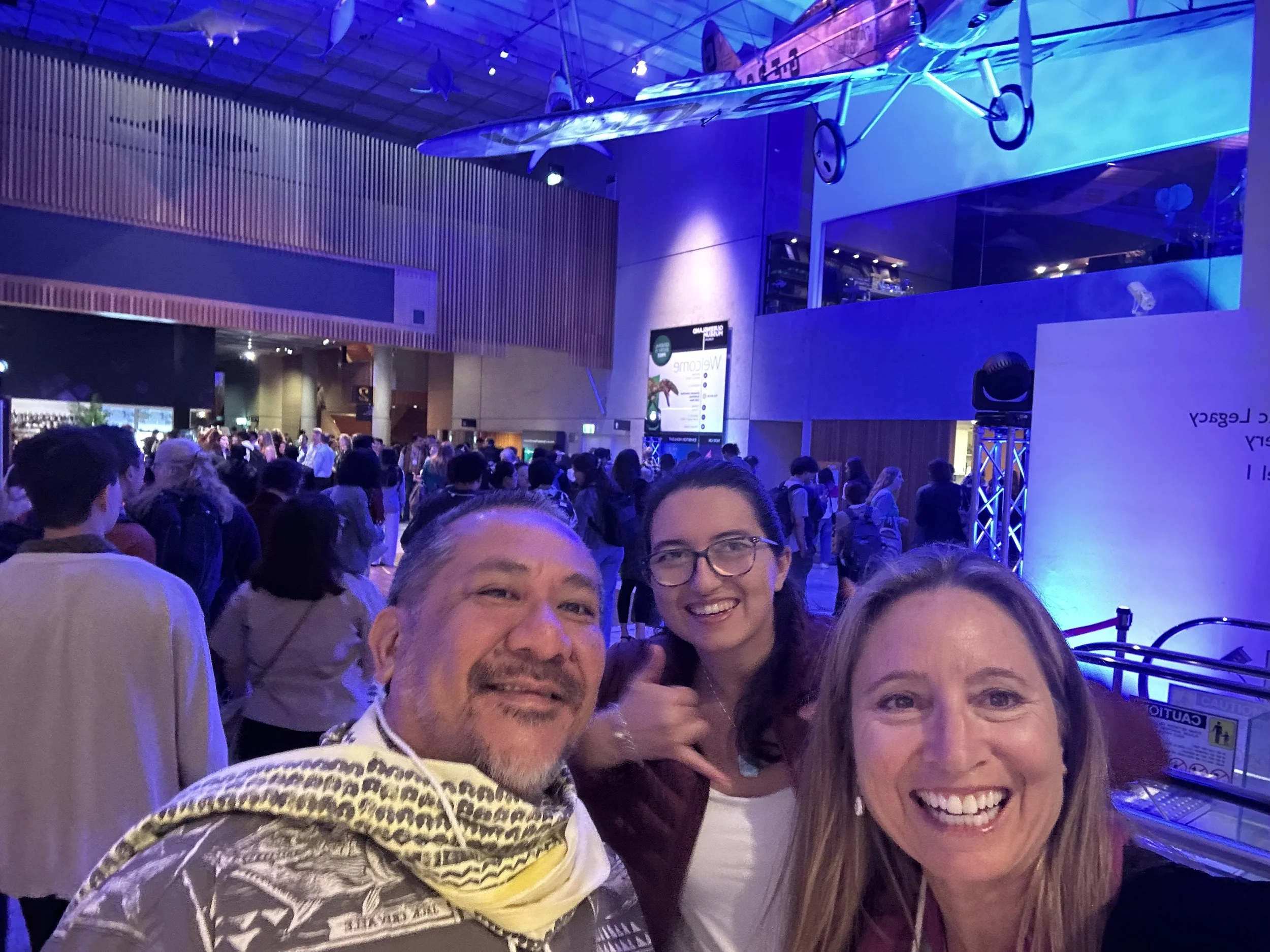
Amber Datta (2023 Fellow) used Broadening Participation funds to support the attendance of an Indigenous steward and youth educator from Hāʻena at the International Congress for Conservation Biology, one of the largest global forums for conservation biology. Indigenous voices belong at these forums and these funds were used to make this a reality. This Indigenous steward not only cares for his community’s place but also educates the next generation of children in cultural and stewardship practices. His attendance at this forum not only elevated the voice of Indigenous stewards in Hawaiʻi, it also provided him with insights to share with the next generation of stewards.