Christina De Jesús Villanueva
Moving canopy eDNA from hypothesis to practice: Monitoring biodiversity and guiding forest conservation in Puerto Rico and beyond
Abstract
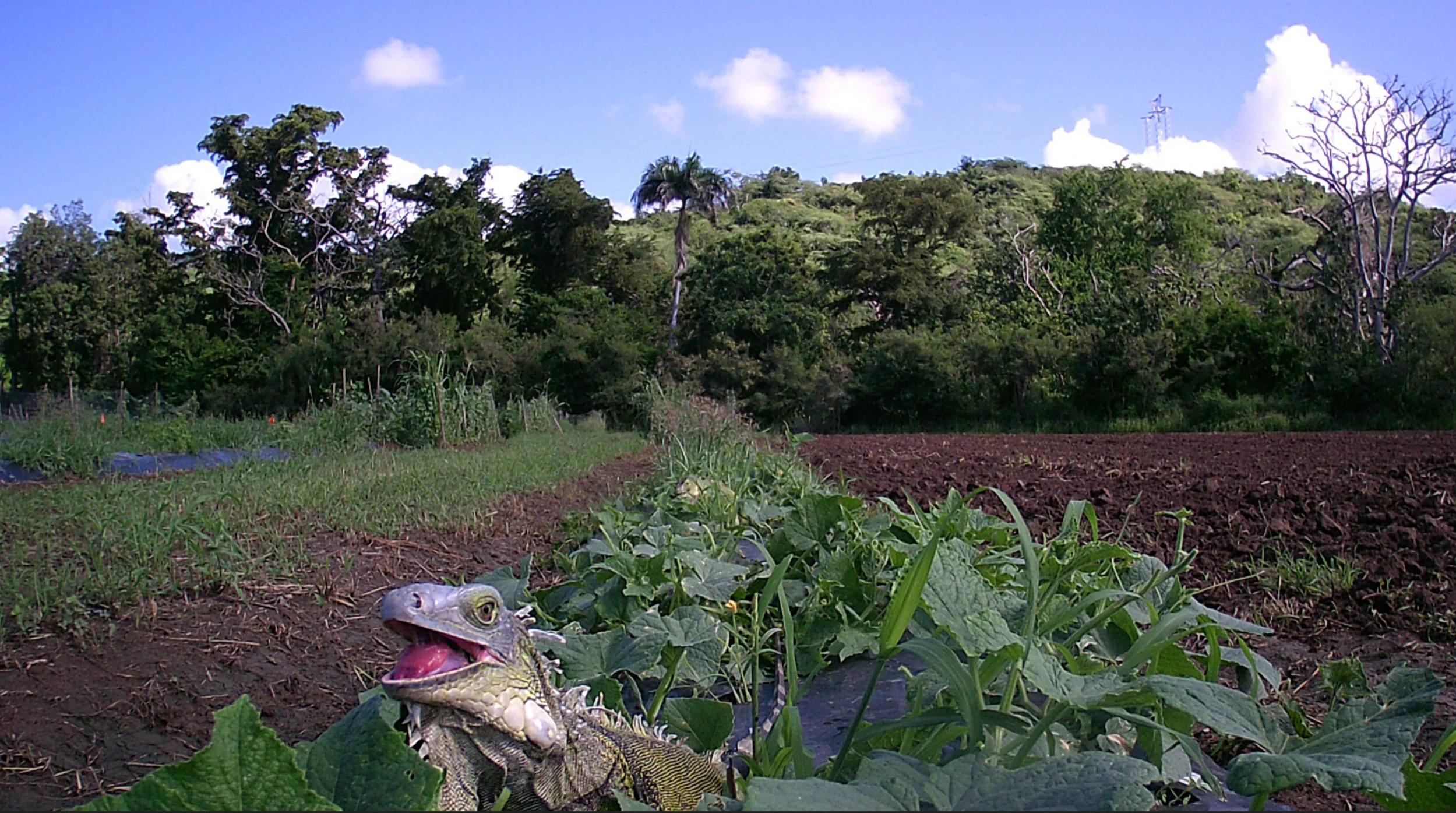
Tropical forests are home to an incredible variety of plants and animals, but they are increasingly threatened by things like climate change, new invasive species, and more frequent wildfires. These threats combine to cause a decline in the number of species, yet we don't have good, easy ways to track how the wildlife is responding. The forest canopy, where much of this life exists, is especially hard to study because traditional monitoring methods are too slow, incomplete, and difficult to use up high. As a result, conservationists can't easily tell how animals are reacting to these threats or if their conservation efforts are actually working.
Environmental DNA (eDNA) offers a promising new method. By finding tiny traces of DNA that animals shed into their surroundings, eDNA gives us a cost-effective and non-harmful way to monitor wildlife. While we've made progress using eDNA in water, using it in the canopy is in its infancy. The first successful test collecting eDNA from rain washing off a tropical forest canopy was only published in 2025, meaning applications in real tropical systems are completely untested. This project will be a new and exciting application of canopy eDNA. We will create the first baseline measurements of biodiversity for Puerto Rico’s Maricao State Forest and adjust the method so it can be used more broadly in tropical forests. Working with the Puerto Rico Department of Natural Resources and the Environment, Caribbean Regenerative Community Development, and the U.S. Forest Service, I will: (1) create and perfect the very first canopy eDNA protocol adapted for the tropics and check its accuracy using traditional surveys of animals (by sight and sound); (2) use this protocol across different forest types (young forests, areas affected by fire, and different elevations) to see which species remain; and (3) evaluate if a planned forest thinning project (designed to reduce fire risk and help the forest grow back) actually helps biodiversity. This project will be one of the first to take canopy eDNA from an idea to a practical tool in tropical systems. By creating a monitoring tool that others can use and providing rare, real-time measurements of how biodiversity recovers, this work will directly help manage forests in Puerto Rico and set a globally innovative standard for how we monitor and adapt our conservation efforts.
Mentors
Steven Van Belleghem at KU Leuven, Brian Ramos Güivas at Puerto Rico Department of Natural and Environmental Resources, and Lucie Zinger at Centre de Recherche sur la Biodiversité et l'Environnement
Undergraduate Education
B.Sc. Wildlife Management, University of Puerto Rico, 2012
Graduate Education
M.Sc. Biology, Conservation/Invasion Genetics, University of Puerto Rico, 2016
Ph.D. Biological and Environmental Sciences, University of Rhode Island, 2022