Leon Tran
Harnessing environmental DNA to overcome population assessment challenges for small-scale octopus fisheries
Abstract
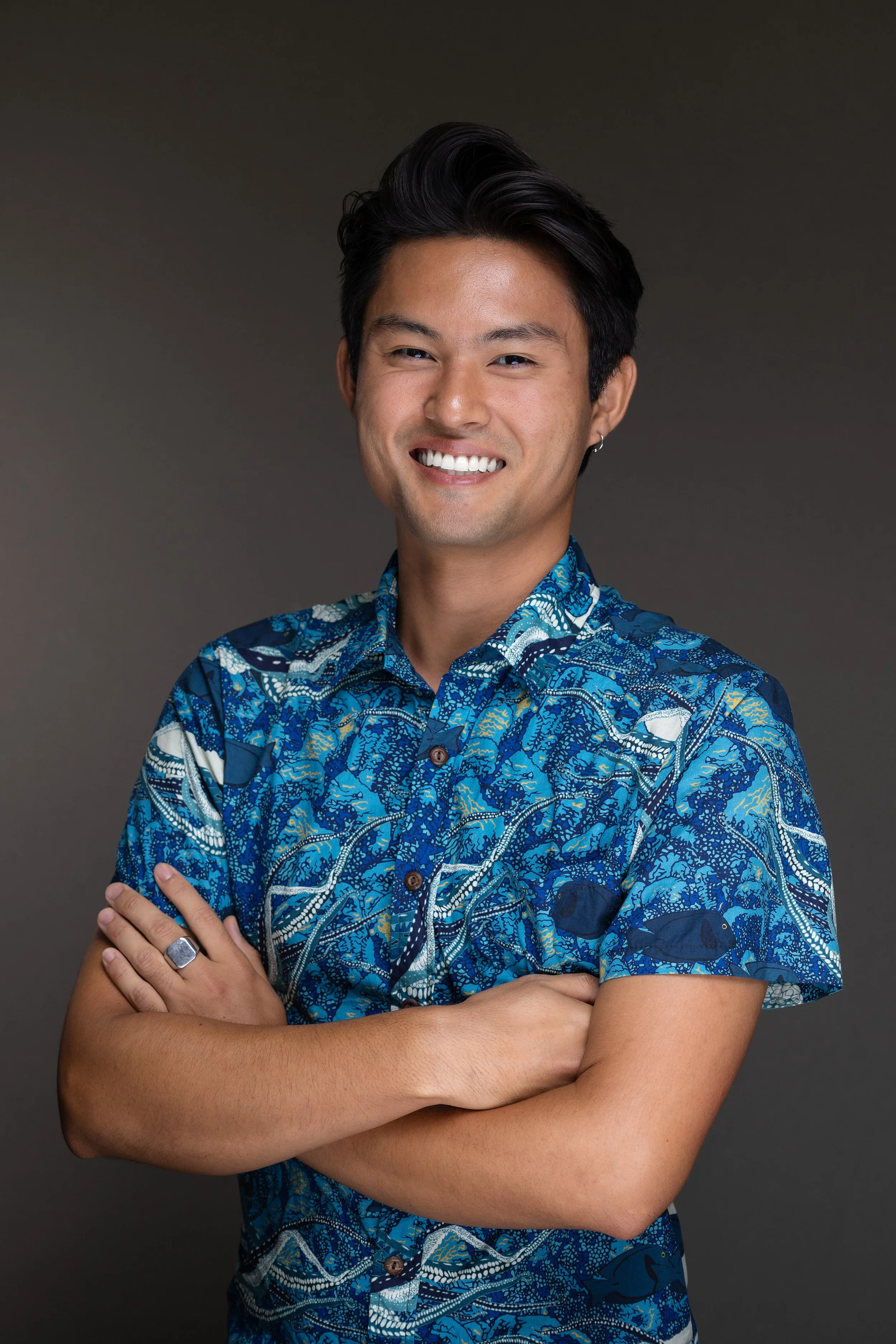
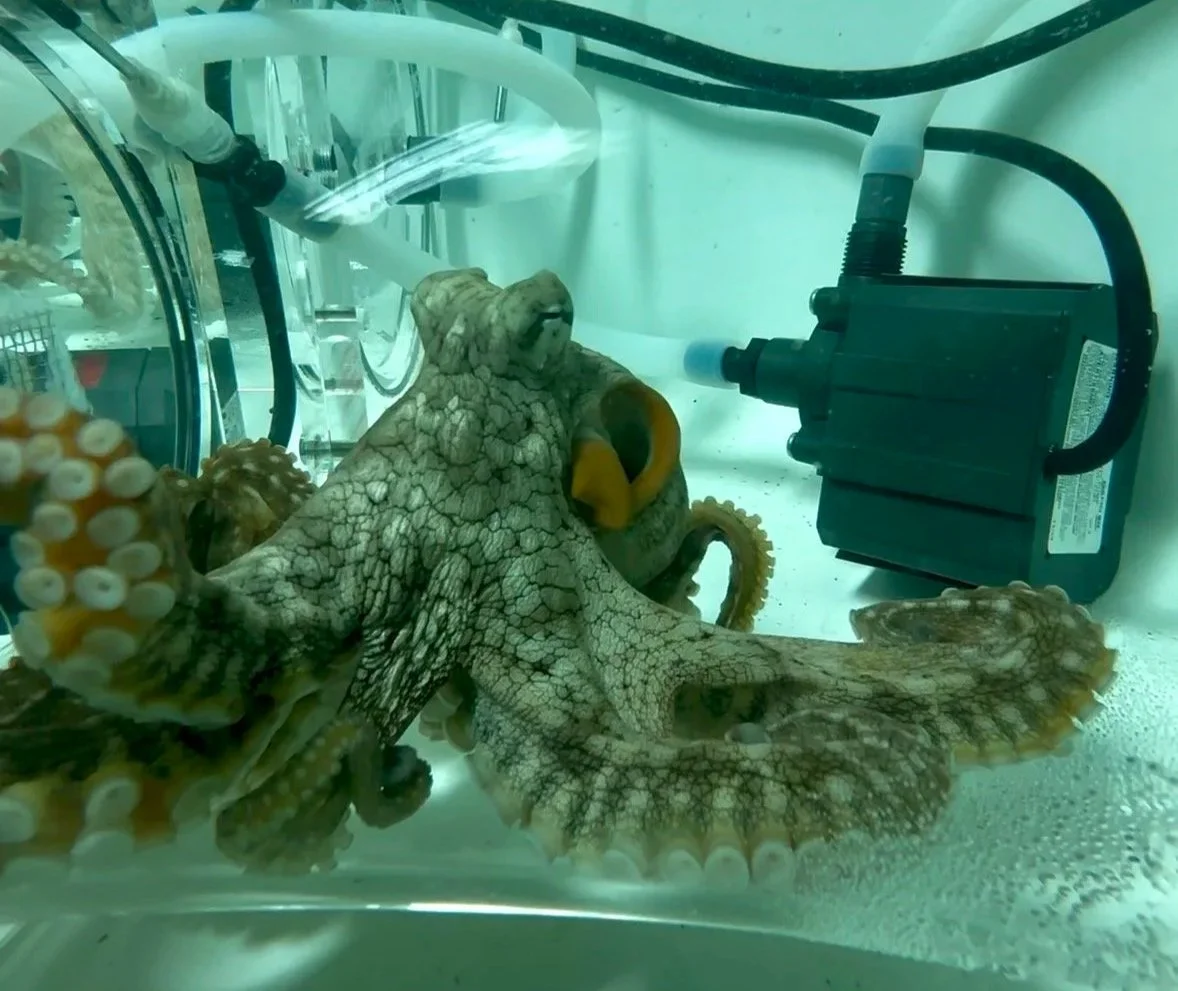
Octopus fisheries are a critical component of food security, culture, and livelihood to coastal communities worldwide. However, fishery assessment is very challenging due to a scarcity of monitoring data resulting from the octopus’ short life cycle, cryptic nature, and the lack of monitoring infrastructure. In Hawaiʻi, the day octopus (heʻe mauli) fishery supports subsistence and commercial fishers but remains unassessed, leaving management reliant on incomplete data. To bridge this gap, my proposed research leverages environmental DNA (eDNA), the genetic traces left behind by living organisms in their environment, to estimate biomass trends and assess the population status of the day octopus. This project will (1) develop a species-specific quantitative PCR assay and (2) test the eDNA-derived biomass index against visual diver surveys and local fisher reports. In partnership with geneticists, fishery biologists, and community partners, I will combine mesocosm experiments, a structured water sampling design, diver observations, and fisher catch data to create a population assessment modelling framework for the Hawaiian day octopus. The goal is to co-develop accessible monitoring tools with community-led conservation organizations to support sustainable, community-driven fisheries management while advancing eDNA approaches for the conservation of cryptic marine species.
Mentors
Robert J. Toonen (University of Hawaiʻi at Mānoa), Erik C. Franklin (University of Hawaiʻi at Mānoa), and Heather Ylitalo-Ward (State of Hawaiʻi Division of Aquatic Resources)
Undergraduate Education
B.S. Biology & Environmental Science, University of South Carolina, 2018
Graduate Education
Ph.D. Marine Biology, University of Hawaiʻi at Mānoa, 2026